
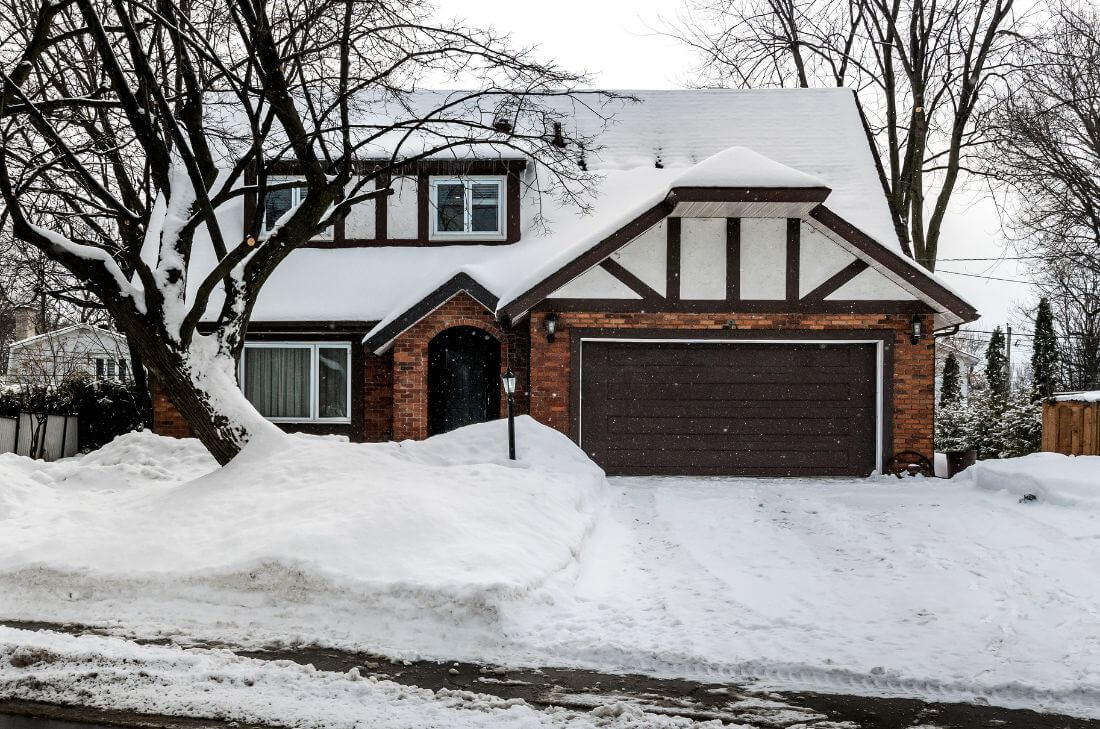
Renters who move to Valley City from warmer states usually have one of two experiences with their first winter: they planned for it, or they did not. The gap between those two outcomes is significant. Barnes County winters are long, cold, and occasionally severe, and a rental that works well in July can become a miserable situation in January if the wrong things were overlooked before signing the lease.
We manage rentals across Valley City at Valley Bridges Properties, with an after-hours emergency line for maintenance situations that do not wait for business hours. Browse our available rentals or apply directly before the leasing season tightens up.
Temperature and Snowfall
Valley City sits in a humid continental climate. Across the year, temperatures range from around 2°F at the low end to around 83°F in peak summer. January is the coldest month, with average lows around 3°F and average highs around 18°F. Arctic outbreaks push wind chill below -40°F, at which point frostbite on exposed skin develops in under 10 minutes.
Daylight in December drops to about 8.6 hours at its shortest. Snowfall runs from November through April, peaking in January at around 3.11 inches for the month. North Dakota snow is typically light and powdery, which means it blows and drifts rather than packing. Average snow depth across the season runs 9 to 15 inches, though drifts in exposed areas run significantly higher.
Blizzards in Barnes County
North Dakota averages 2 to 3 blizzards per year, and the probability of at least one occurring in any given year exceeds 50% per NOAA’s State Climate Summaries, one of the highest rates in the country. A blizzard requires sustained winds over 35 mph and visibility under one-quarter mile.
When those conditions hit Barnes County, the sheriff can issue a No Travel Advisory. County roads drift in, plows stay off the roads until gusts subside, and parts of the county become impassable.
Renters who commute to work or to VCSU’s campus need to factor this in. Keeping a day or two of supplies at home through the winter months is not excessive preparation. It is standard practice for anyone who has lived here through a few seasons.
Heating, Insulation, and Windows
The heating system in any Valley City rental is worth understanding before you sign. Natural gas forced air is the most common setup in residential properties here. Under North Dakota Century Code 47-16-13, landlords are required to maintain a functioning heating system as part of the habitability standard. What that means is knowing whether heat is included in rent or billed separately, how old the system is, and who handles emergency repairs.
Window seals and insulation quality matter more in this climate than most renters from milder states expect. A unit with drafty windows will be colder and cost more to heat than one that is properly sealed. Checking window frames and exterior walls for gaps before move-in, and flagging anything significant with the landlord before signing, is worth the 10 minutes it takes.
Parking and Snow Removal
A heated garage is the most useful parking situation in a Valley City winter. An unheated garage is still better than open-air parking. Starting a car that sat outside overnight at -20°F is a different experience than one that sat under cover, and it gets old fast by mid-January. Leases do not always specify parking arrangements without you asking, so confirm it directly.
Snow removal responsibility is one of the more commonly misunderstood lease terms in single-family rentals. For managed apartment properties it is typically handled by the property manager. For houses it varies. Valley City Public Works clears emergency routes on city streets, but private driveways and walkways are not covered. Get snow removal responsibility in writing before you sign, not after the first storm.
Frozen Pipes
Pipes in exterior walls are a genuine risk when temperatures drop well below freezing for extended periods, which happens multiple times each winter in Valley City. The moment you move into any rental here, ask the landlord or property manager to show you where the main water shutoff valve is. That is not a question you want to be researching while a pipe is actively bursting.
If you leave the unit for any stretch during winter, keep the heat at a minimum of 55°F. Turning the heat off entirely to save money on a short trip is the most common cause of burst pipes in rental units. The water damage that follows costs far more than the savings.
Daily Winter Life in Valley City
The community here is oriented around the season rather than waiting it out. The Sheyenne Valley Trail supports snowmobiling through Barnes County. The Gaukler Family Wellness Center on the VCSU campus keeps an indoor pool and fitness equipment running year-round and is open to the broader community beyond students. The North Dakota Winter Show, one of the region’s longest-running agricultural events, takes place in Valley City each year.
Residents plan for winter and move through it. The renters who struggle are the ones who treated it as something to manage reactively rather than prepare for in advance.
Renting in Valley City with Valley Bridges Properties
We manage apartments, townhomes, and single-family homes across Valley City with an after-hours emergency line for situations that come up outside business hours. Our properties go through move-in and move-out inspections, and maintenance requests run through a documented process with local contractors we have worked with for years.
Browse our available rentals and apply directly at Valley Bridges Properties.
Frequently Asked Questions
How cold does Valley City, ND get in winter?
January is the coldest month, with average lows around 3°F and average highs around 18°F. Wind chill during Arctic outbreaks can fall below -40°F, at which point frostbite on exposed skin develops in under 10 minutes.
Does Valley City get blizzards?
North Dakota averages 2 to 3 blizzards per year, and the probability of at least one in any given year exceeds 50% per NOAA’s State Climate Summaries. Barnes County has issued No Travel Advisories during blizzard events when county roads drift in and visibility drops to near zero.
How long does winter last in Valley City?
Snowfall runs from November through April. December, January, and February are the coldest months, with March and April still capable of bringing significant snow and cold before conditions stabilize.
What should renters confirm before signing a lease in Valley City?
Heating system type and who handles emergency repairs, window and insulation quality, garage or covered parking arrangements, snow removal responsibility, and the location of the water shutoff valve are the five things worth confirming in writing before signing.
Are there things to do in Valley City during winter?
The Sheyenne Valley Trail supports snowmobiling through Barnes County. The Gaukler Family Wellness Center on the VCSU campus provides an indoor pool and fitness equipment year-round. The North Dakota Winter Show is held in Valley City each year as one of the region’s longest-running community events.